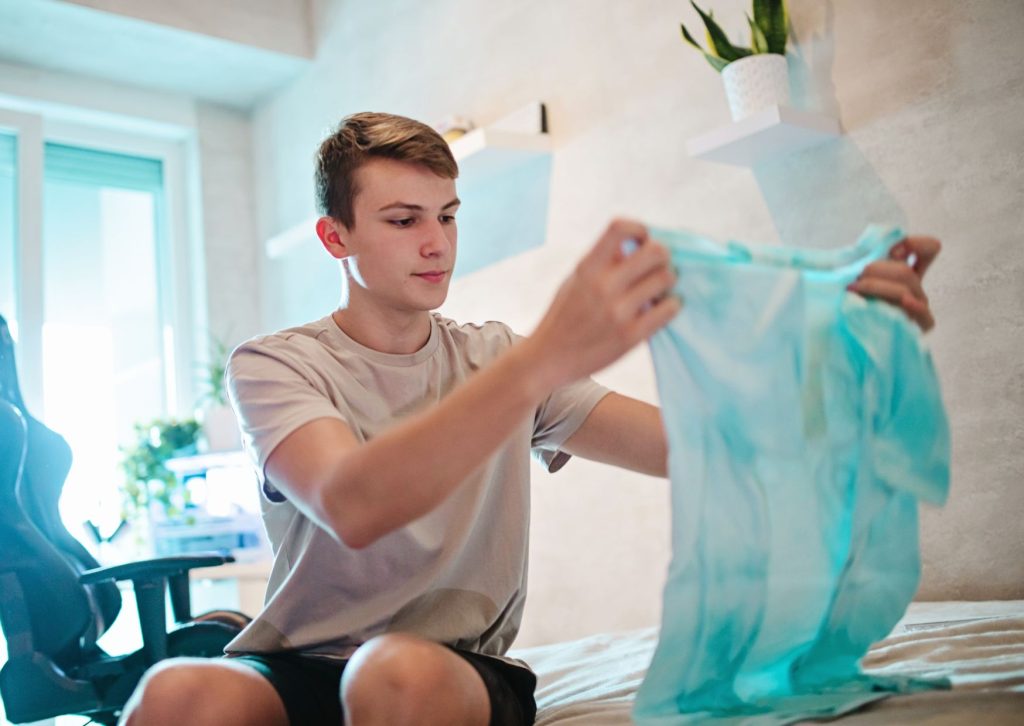
Everyday Life Skills.

Getting through the day involves a lot — waking up, getting ready, keeping on top of meals, staying organised at home.
For many young people, these everyday tasks take longer to develop or need a bit of practical support to get there.
That's exactly what our occupational therapists are here for.

What we can support
Personal care and hygiene

  • Showering, grooming, and oral hygiene routines
  • Hair care, dressing, and getting out the door on time
  • Period management — practical, respectful support for young women
  • Sensory preferences around self-care products and routines

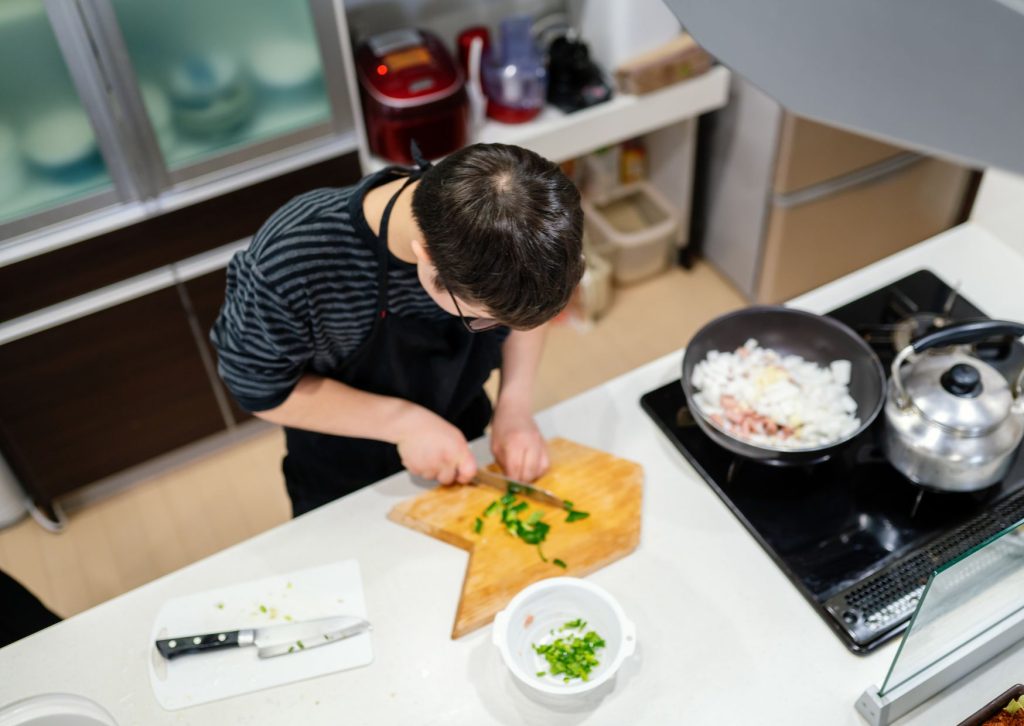
Cooking and meal preparation

  • Planning simple meals and writing a shopping list
  • Following a recipe safely and independently
  • Kitchen confidence and safety awareness
  • Building a consistent routine around eating and meal prep

Cleaning and home management

  • Laundry, cleaning, and tidying routines
  • Breaking big household tasks into manageable steps
  • Organisational systems for bedroom or living space

Managing medications and appointments

  • Booking, preparing for, and attending appointments independently
  • Medication management routines
  • Taking on personal health responsibilities gradually
FOR YOUNG PEOPLE AGED 15-25

Who is this for?

  • Young people who struggle to start daily tasks even when they want to
  • Those preparing to live more independently — at home, at uni, or in supported living
  • Young people approaching the end of school wanting to build practical skills
  • Parents of young people aged 15 and up who need additional support in leading transitions and preparing their child for the next steps 
  • NDIS participants with daily living or independent living goals


No diagnosis needed, and no referral required. Just get in touch and we’ll figure out if we’re the right fit.

Four young adults sitting together outside

Frequently Asked Questions

My teenager can do these things — they just don't. Is OT still useful?

Yes, and this is one of the most common things we hear. There's a real difference between knowing how to do something and being able to do it consistently. Difficulties with initiation and routine are very common in young people with ADHD, autism, and anxiety — OT addresses those barriers directly.

It depends!

Occupational therapy is not designed to last forever - our jobs are to hone your skills and prepare you to take on life, with confidence and the capabilities to do so independently. For some, as few as 5 sessions can target a specific skills and bring you up to speed but some also benefit from more regular sessions over a 6 - 12 month period. It's completely depends on what your goals are.

Everyday life skills support is typically funded under Capacity Building — Daily Activities (Support Category 7). We are a registered NDIS provider. Get in touch and we can help you understand how your plan could fund this support.

Yes. For life skills support, working in the real environment is often the most effective approach. We regularly do home visits on the Northern Beaches — just mention this when you get in touch.

Ready to get started?

No referral needed.